Marketing & Listings
Common Airbnb Listing Mistakes to Avoid
These listing and setup mistakes quietly cost Atlanta Airbnb hosts bookings every day. Here's what they are, why they hurt, and how to fix them.
Free rental projection — about a minute
Step 1 of 4 · Address
What’s the address of your property?
We’ll pull real, comparable Atlanta listings to build your projection.
Free, no obligation. Prefer to talk? Call (770) 999-9740.
Most Airbnb listing problems aren’t dramatic failures. They’re quiet friction points — a cover photo that doesn’t communicate value, a description that leaves practical questions unanswered, a pricing strategy that keeps the calendar empty during slow weeks. Each one costs bookings individually; together they can make a property underperform even when the physical space is excellent.
Here are the most common listing and setup mistakes ATLStay sees across Atlanta properties, and what to do about each of them.
Weak or Unprofessional Photography
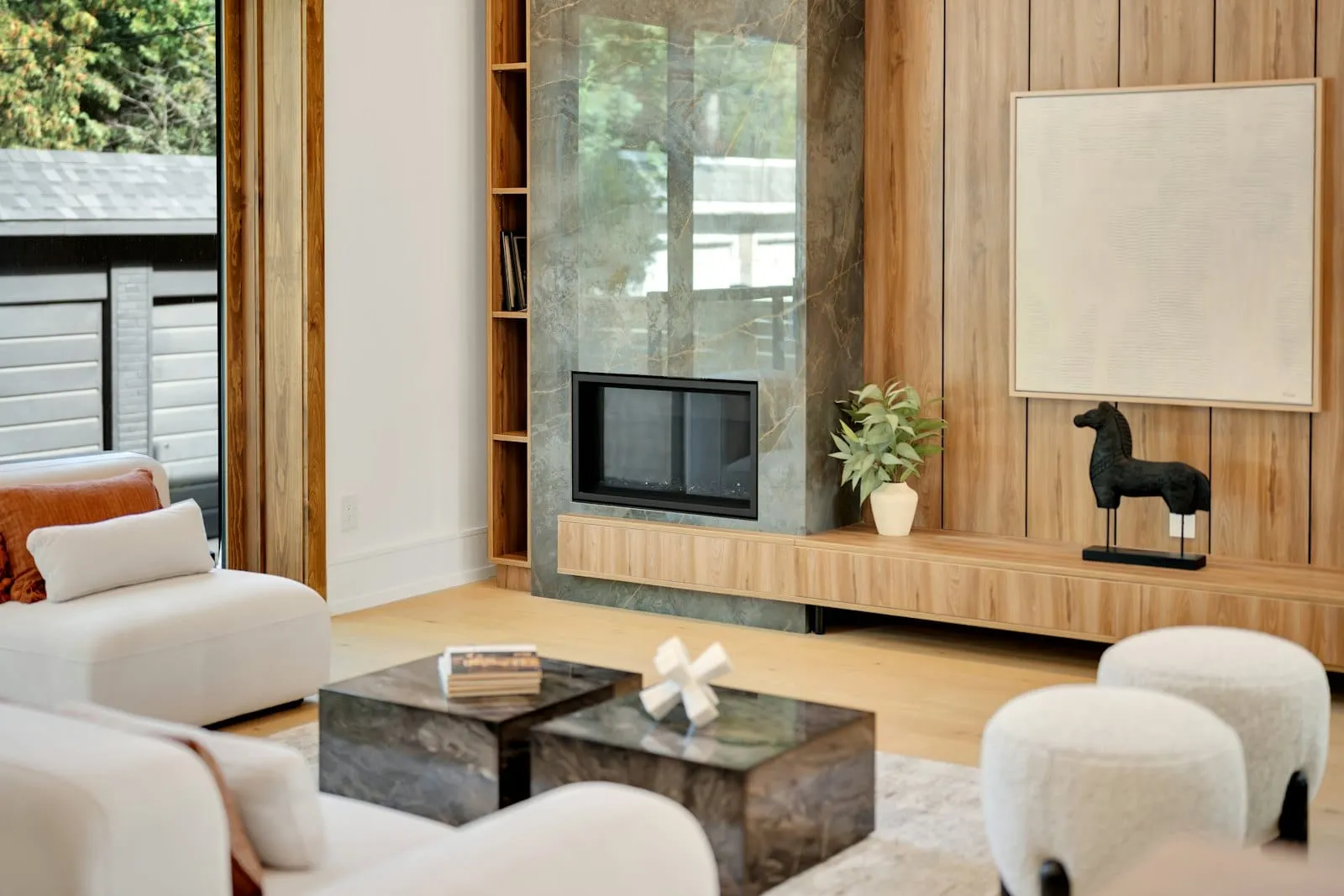
Your cover photo is the first thing a guest sees in search results. Before they’ve read your title, your description, or your price, they’ve already formed an impression based on that image. If it’s dark, cluttered, poorly composed, or taken on a phone without staging, it competes poorly against listings that invested in professional photography.
This isn’t just about aesthetics. Professional photography signals to guests that you take hosting seriously — that the property will likely match the photos. It also enables you to charge higher rates with less resistance, because guests booking a well-photographed listing feel confident in what they’re getting.
At minimum: shoot with good natural light, clear surfaces, and a wide-angle lens. Better: hire a professional photographer who knows how to stage and shoot short-term rental interiors. It’s one of the highest-return investments available to most hosts.
An Incomplete or Vague Description
A listing description that leaves practical questions unanswered creates two problems: guests either message you to ask (which takes time and introduces booking friction), or they don’t book at all and choose a listing where they already have the information they need.
A complete description covers the space, the setup, what’s included, parking logistics, the neighborhood, walkability, check-in process, and any notable limitations. If there’s a noise restriction after 10pm, say so upfront. If street parking can be challenging on weekend evenings, mention it. If the building has stairs but no elevator, that’s information a guest with mobility needs must have before booking.
Honesty in a description prevents guest disappointment, which directly protects your reviews. Overpromising and underdelivering is one of the most reliable paths to negative feedback.
Ignoring Airbnb’s Amenity Checklist
Airbnb allows guests to filter search results by amenity. If your property has a dedicated workspace, EV charging, a fully equipped kitchen, a patio with outdoor furniture, or smart locks, those items should be listed — because if they’re not, your property simply won’t appear when guests filter for them.
Hosts often under-report amenities, either because they set up the listing quickly or because they don’t realize certain features are worth mentioning. Go through the full amenity list periodically and check off everything your space actually offers:
| Commonly under-reported amenities | Why it matters |
|---|---|
| Dedicated workspace / desk | High demand from remote workers and business travelers |
| EV charging | Growing filter segment; creates a booking advantage |
| Streaming services (Netflix, etc.) | Guests on longer stays look for this specifically |
| Outdoor furniture / patio or balcony | Major differentiator, especially in Atlanta’s mild seasons |
| Washer and dryer | Critical for stays of 4+ nights |
| Smart lock / keypad entry | Signals professional management; guests prefer it |
Slow Response to Inquiries
Airbnb’s algorithm rewards fast responses, and Superhost status — which visibly marks a listing in search results — has explicit response rate requirements. But beyond algorithm mechanics, there’s a simpler reality: guests shopping for a property often send inquiries to several listings at once. The first host to respond clearly and helpfully has an advantage.
A guest who doesn’t hear back within a few hours during daytime hours may have already booked elsewhere. Turning on Instant Book (with appropriate guest requirements) eliminates response lag for direct bookings. For inquiries, aim to respond within an hour during waking hours.
Managing response time is one area where full-service property management creates a consistent, compounding advantage — professional managers build response systems rather than relying on a single owner to check their phone.
A Pricing Strategy That Doesn’t Adjust
Setting a flat nightly rate and leaving it is one of the most common and costly errors in self-managed properties. Atlanta’s demand varies significantly by season, day of the week, local events, and what competitors near you are doing.
A static rate that’s competitive during slow weeks is underpriced during peak demand periods — meaning you’re leaving revenue on the table at the moments when guests are most willing to pay. Conversely, a rate calibrated for peak periods will generate excess vacancy during slower stretches.
Dynamic pricing tools solve this by adjusting your rate daily based on real demand signals. For a deeper understanding of how this affects full-year revenue, see our post on how dynamic pricing increases Airbnb revenue.
House Rules That Read Like a Warning Label
Every property needs house rules. They protect your space, set expectations, and give you recourse when guests violate them. But listings that lead with a wall of prohibitions — no parties, no pets, no smoking, no this, no that — create a tone of distrust before the guest has done anything wrong.
Good hosts state their rules clearly and in plain, courteous language. Lead with what guests get to enjoy. State limits factually rather than defensively. A guest reading rules that feel like reasonable guidelines will respond differently than one who feels interrogated before booking.
Also: make sure your rules are realistic. Overly restrictive policies (nothing allowed that’s even slightly inconvenient for you) attract fewer bookings, and the guests who do book despite the rules are often the ones who ignore them anyway.
Not Thinking About Launch
The first few weeks a listing is live are disproportionately important. Airbnb gives new listings a boost in search visibility to help them collect their first reviews — but that boost is temporary. If your launch is weak (poor photos, missing information, slow responses, a pricing strategy that doesn’t attract initial bookings), you miss the window when Airbnb is working hardest for you.
Early reviews set the trajectory of a listing. A handful of strong five-star stays early on builds the social proof that makes future guests more willing to book and allows you to price more confidently. Recovering from a poor launch is possible, but it takes time and consistent execution.
For context on what the full hosting picture looks like — including what goes into getting a listing right from the start — the how it works page covers ATLStay’s full setup and management process.
If you want to understand what your property could realistically earn once it’s set up well, exploring the areas we serve and requesting a projection is the most useful starting point.
Getting your listing right from day one is far easier than fixing it later. Request a free rental projection from ATLStay and see what a well-managed, well-positioned listing could realistically earn for your Atlanta property. Or call us directly at (770) 999-9740.
Written by the ATLStay team
We're a short-term rental management company based in Atlanta. Across our portfolio we manage 450+ homes, have earned 10,000+ five-star guest reviews, and bring 10+ years of hands-on Atlanta hosting experience to every guide we publish. More about ATLStay →
Questions about your specific property?
Talk to a real person on our Atlanta team — straight answers, no scripts.
Free projection · about a minute
What could your property earn?
Tell us about it and we'll build a free, comps-based projection — a real person, not an algorithm, back to you within one business day.
Free, no obligation. Prefer to talk? Call (770) 999-9740
Step 1 of 4 · Address
What’s the address of your property?
We’ll pull real, comparable Atlanta listings to build your projection.
Common Questions
Frequently Asked Questions
Do poor listing photos really cost bookings?
Yes — and they're the single highest-impact listing element most hosts underinvest in. Guests make a split-second decision based on your cover photo before they read a word of your description. Dark, cluttered, or low-resolution images signal a low-quality stay before the guest has any other information to go on. Professional photography is typically one of the highest-return investments a host can make.
How complete does my listing description need to be?
Thorough and accurate. Guests who book with unanswered questions either message you (costing you time) or don't book at all (costing you revenue). A complete listing covers what the space looks like, what's included, what the neighborhood is like, parking details, check-in process, and any house rules or limitations. The goal is that a guest can answer every practical question they have before booking.
How much does response time affect my bookings?
Significantly. Airbnb's search algorithm surfaces listings from hosts who respond quickly, and guests who send an inquiry are often shopping multiple listings simultaneously. A slow response means the guest books somewhere else before you've replied. Superhost status — which affects listing visibility — has a response rate requirement, so consistent slow responses can also cost you that badge.
Are house rules hurting my listing?
Overly restrictive or aggressive house rules can deter otherwise-good guests. Rules are necessary — they protect your property — but rules phrased as warnings and lists of prohibitions create friction. Guests who feel unwelcome before they arrive often don't book. State your rules clearly and in plain, courteous language. Lead with what guests can enjoy, not just what they can't do.
What amenities should I make sure to list?
List every amenity your property actually has — Airbnb's search filters on amenities, so missing items means your property is invisible to guests who filter for them. Commonly underreported amenities include dedicated workspaces, EV charging, specific kitchen equipment, smart home features, outdoor furniture, and streaming services. If it's there and working, list it.
How do listing mistakes compound over time?
Early reviews set the trajectory of a listing. A weak launch — poor photos, incomplete description, slow responses, or a pricing strategy that doesn't attract the right guests — leads to lower quality early reviews, which affects how Airbnb surfaces the listing going forward. Recovering from a bad start takes months of consistent five-star stays. Getting the setup right before launch is far easier than trying to repair a listing later.
Looking for more owner guides?
← Back to all resourcesRelated guides
Keep reading
Choosing the Right Airbnb Cancellation Policy
Flexible, Moderate, or Strict — your Airbnb cancellation policy shapes both booking conversion and income protection. Here's how to choose the right one for your listing.
Read the guide → Marketing & ListingsHow to Become (and Stay) an Airbnb Superhost
Airbnb Superhost status lifts your search ranking and conversion rate — but the criteria are demanding. Here's what it takes and how professional management sustains it.
Read the guide → Marketing & ListingsShould You Turn On Airbnb Instant Book?
Instant Book boosts your Airbnb ranking and fills your calendar faster — but the tradeoffs are real. Here's when to enable it and how to protect yourself.
Read the guide →See what your home could earn
Get a free, no-obligation rental projection from people who actually manage homes in your neighborhood.
Free · comps-based · delivered within one business day.